compost : compose is an arts project, created by artist-curator Rasha Tayeh, hosting a series of discussions, exhibitions, performances and pop-up events across various ecologies and geographies. Taking inspiration from the soil, Rasha invites artists to make meaning of how we can compost old structures, let go, tend to grief, and decompose old ways of thinking, doing and being to find ways to compose new imaginaries for reparative futures and collective liberation.
For this iteration of the Emerging Curator Mentorship, Rasha will facilitate a development period with 3 artists at Blindside in December 2025. Work developed during this time will be performed at a public showing at Next Wave on Friday February 20th , followed by a public programme on Saturday 21st February 2026.
Launched by Wonder Cabinet and Radio alHara in early 2025, the Sound and Bar Residency Open Call invited collectives, teams and initiatives of artists, curators, musicians, mixologists, producers, designers and creatives from all backgrounds and geographies to submit a project proposal for a one-of-a-kind residency merging the realms of mixology and bartending, radio and content curation, community-building and landcare.
compost : compose by Rasha Tayeh (Palestine)
“compost : compose” is an ongoing project, hosting a series of discussions, visual art and installation works across various ecologies and geographies inspired by soil and de/composition.
Rasha Tayeh has been practicing in the arts for around 20 years, and has exhibited in Australia and internationally. With a background in photography and visual arts, then studying nutrition and herbalism, her interest lies in the intersection of art, land and health. Rasha’s practice is land-based, telling stories about people’s relationships in community and ecology. As the founding Director of Beit e’Shai, and the artist behind the project “Compost: Compose”, Rasha will takeover the bar with a botanical bar menu of herbal mixology, a broadcast on Radio alHara, a weekly Sunday Teahouse Session and curated online & offline public programme of workshops, talks and collaborations with Palestinian & Aboriginal and international artists, scholars and activists whose work is concerned with land and biodiversity.
composting the old world, and composing our new world — with commitment & responsibility towards liberation, reparative futures & new imaginaries for de-colonial narratives, redefining currency & economy, and much more.
I’ll be taking some time off from cyberspace — see you around in the real world & amongst trees.
To continue our knowledge shares in the lead up to Prof Mazin Qumsiyeh’s arrival in Naarm (Melbourne) next week, I thought I’d share another conversation I had with Prof Mazin, where we discussed his latest paper on the Impact of the Israeli military activities on the environment.
In preparation for next week’s event, it is important to ground ourselves in the reality of what has been and is currently happening – and will continue to happen, if we do not liberate Palestine.
“Israel is one of the most militarized in the world…Israel is the 5th or 6th largest exporter of high-tech weapons. All of these things create damage to the environment. Military exercises for example…this is in terms of pre conflict. And then you have of course conflict where they drop bombs on civilian areas…buildings…on the open areas. In the case of Gaza for example, it is a very tiny strip of land of 360 square kilometers…Israel dropped within the first 51 days of conflict more bombs…52,000 tons of bombs, almost 3 times as much as they had dropped in 2014 in that attack on Gaza. So when you think about these tens of thousands of tons of explosives dropped on a very crowded area, I mean this impart explains a high civilian casualty rate. It is basically carpet bombing in many ways. And even Israel admits that half the bombs they used were not ‘smart bombs.’ They were dumb bombs like a 200-ton bomb dropped on a civilian area …so the use of weapons and the use of military damages the environment. This is not even counting the greenhouse gas emissions….Military producers around the world are the largest producers of greenhouse gases…Israel has used more than three times as much as the U.S. had used in Vietnam” – Professor Mazin.
You can imagine the impact of this, let alone white phosphorous, on land and marine ecology, let alone human beings. Plants and us are not too much unlike from one another.
I highly suggest you listen to the whole 21-minute interview below.
We look forward to next week being a productive and inspiring conversation to empower us to seek the non-negotiable change that must happen. An immediate ceasefire. A liberated Palestine. Reparations. Healing. And a Return of all displaced Palestinians to their homes and homelands.
You can also check out my earlier post introducing Prof Mazin & his work at this link.
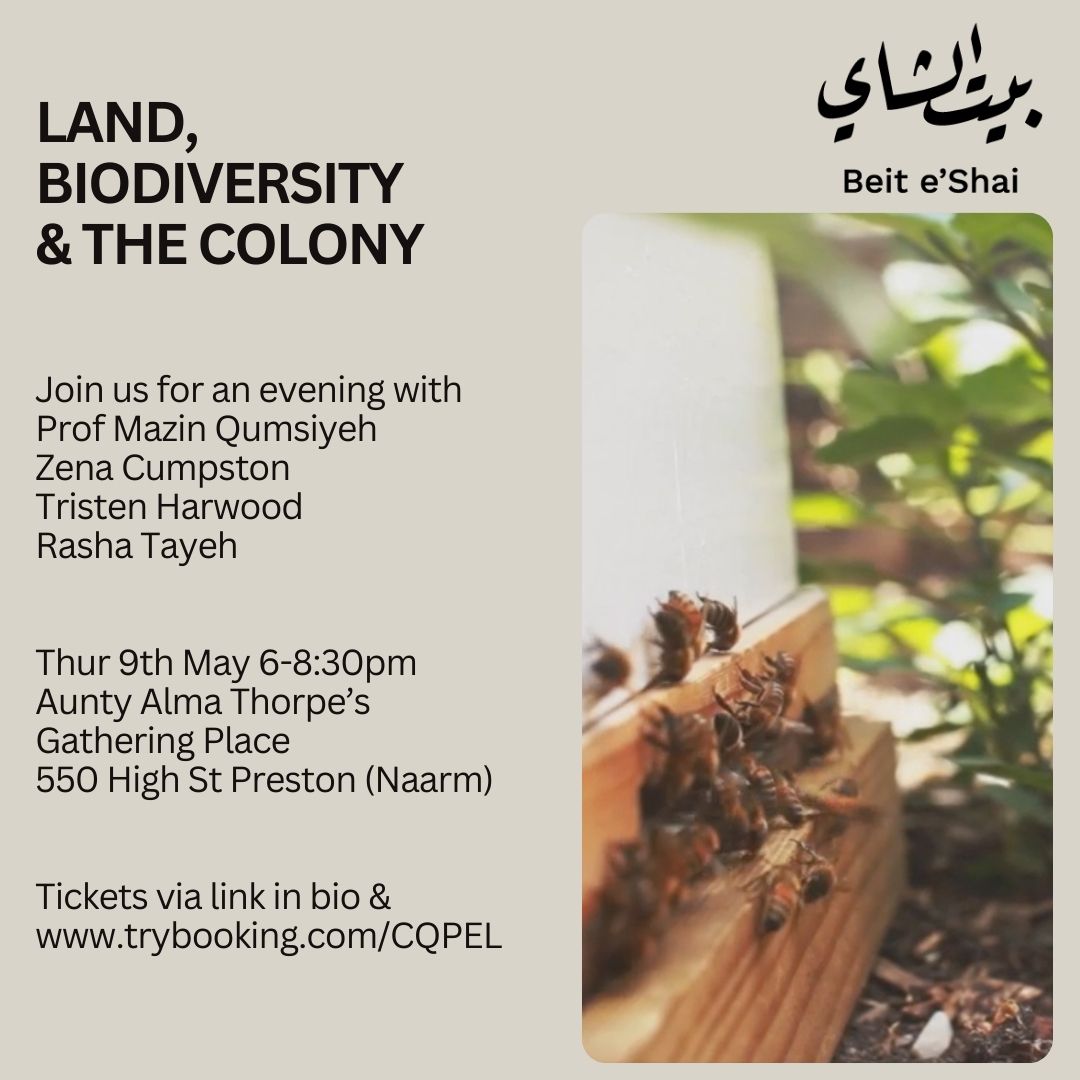
Thanks to everyone who booked a ticket to attend the event I’m hosting through Beit e’Shai at Aunty Alma Thorpe’s Gathering Place on Land, Biodiversity & the Colony next Thursday 9th May. If you missed out on tickets to this sold out event, don’t worry, there will be a variety of knowledge shares published following the event. And there are other opportunities to learn from Prof Mazin while he’s in Naarm – so try to get to one of the events below:
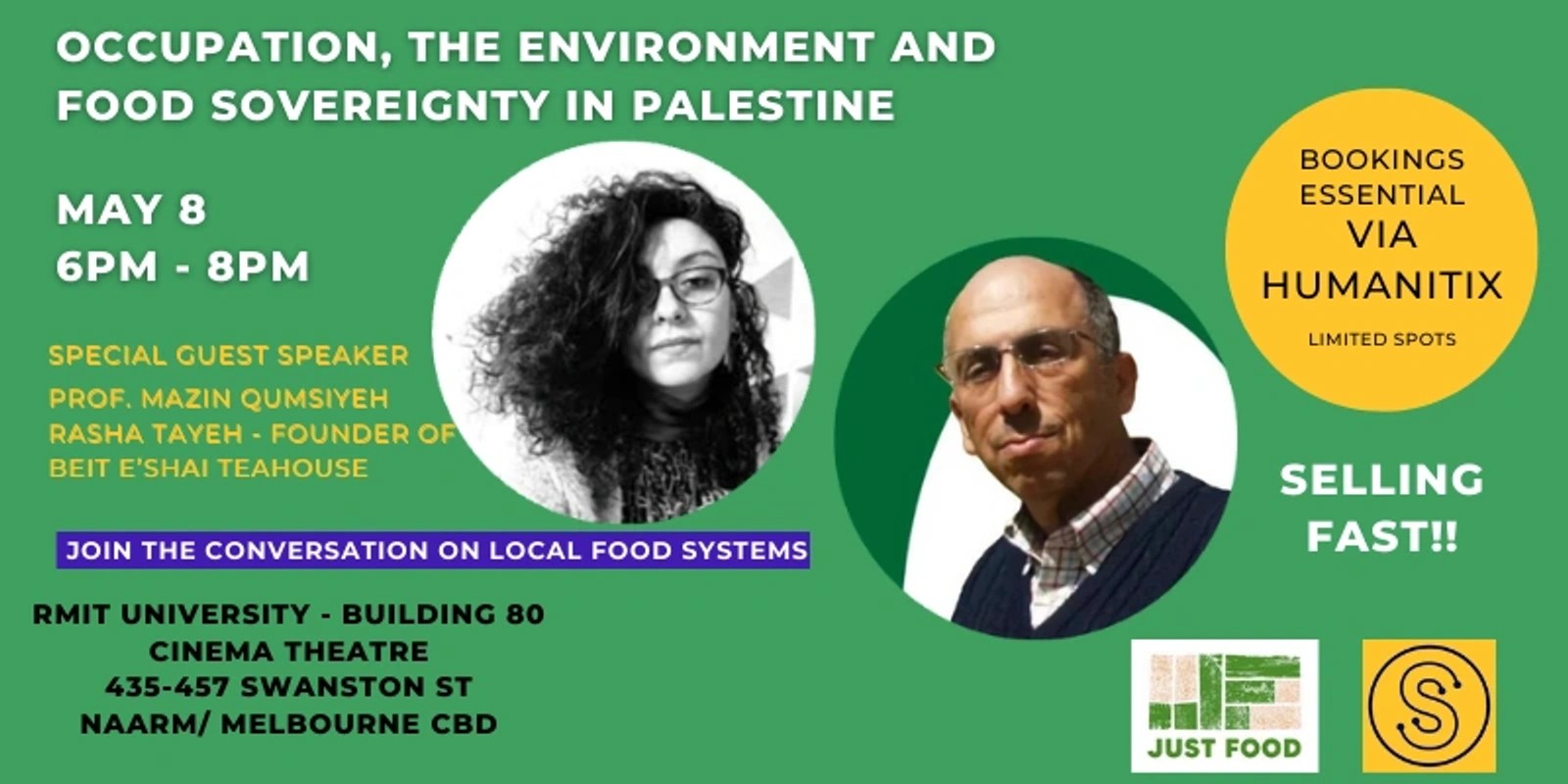
I am very honoured to be speaking alongside Prof Mazin at RMIT University on the 8th May, there are still tickets available for this event on the Occupation, Environment & Food Sovereignty in Palestine at this link.
Hope to see you at some of these events.
Take care, and as Prof Mazin would say: Stay human & keep Palestine alive.
I was recently asked to fill-in on 3CR community radio station for my friend Marroushti of Salaam Radio Show (thank you Mirna for the opportunity) and thought it would be a great way to introduce some of the work I’ve been doing on Land, Biodiversity & the Colony and an important event I’m hosting on this topic, with a brilliant line-up of speakers next month.
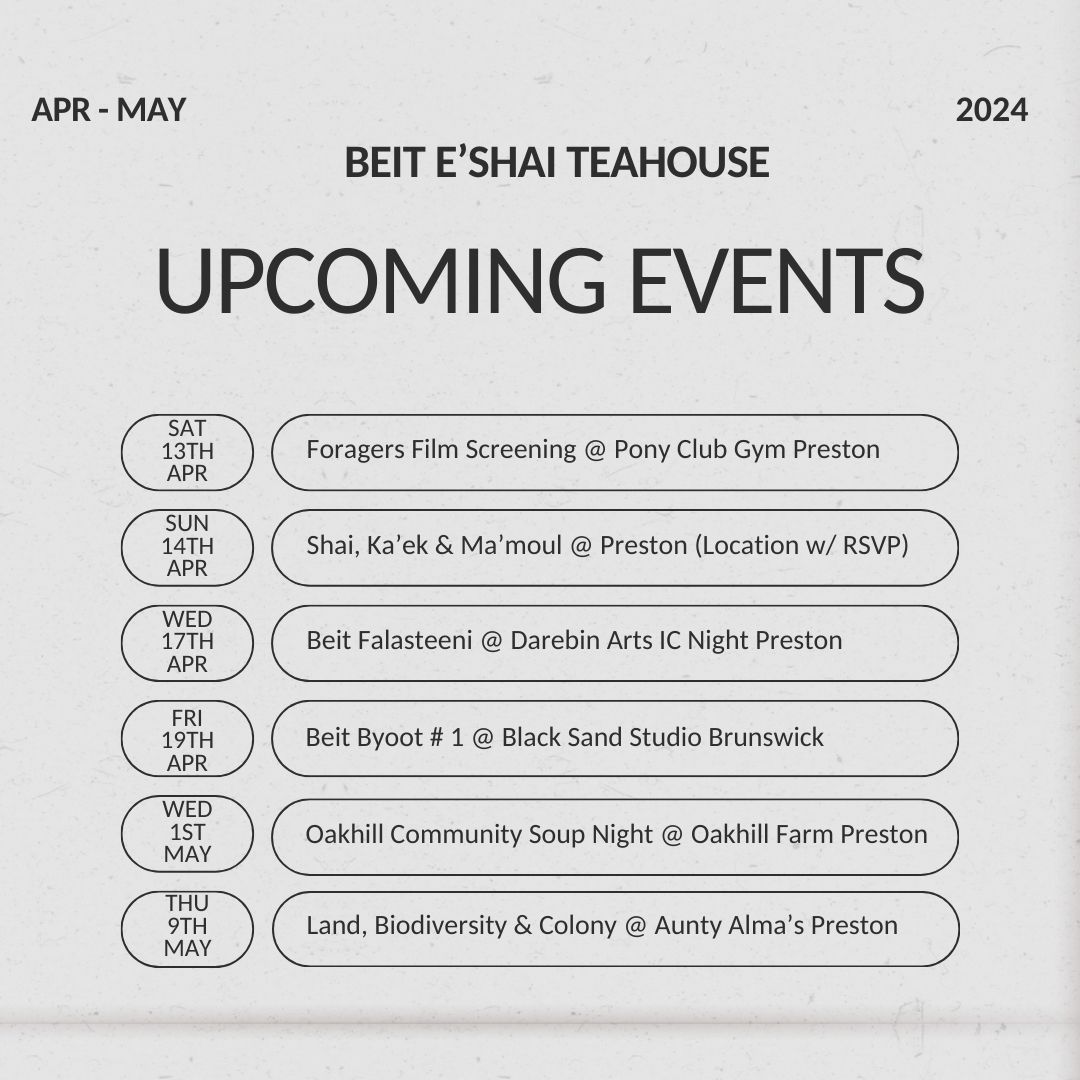
This episode of Salaam Radio Show I prepared is dedicated to the Land, and the importance of ecological & land-based practices. During the show, I interview Professor Mazin Qumsiyeh from Bethlehem who is visiting us in Naarm next month to discuss the impacts of militarism on nature. I also commemorate Palestine’s Land Day, highlight the joint struggle of Indigenous communities in Palestine & Aboriginal Nations in so-called Australia, and plug some important events coming up at Beit e’Shai Teahouse on Land, Biodiversity & the Colony, and more.
You can listen to the recording of this episode below (produced in the studios of independent community radio station 3CR in Naarm/Melbourne):
Sonic musings curated for this show’s playlist are reflective, ambient, electronic, and sometimes classical; from some of my favourite artists including: Nicolas Jaar, Checkpoint 303, Kamilya Jubran, Khyam Allami, Oum, & Ruba Shamshoum, with releases from Al Gharib record label.
Below are links to events, readings & campaigns referenced in this episode. They are also published on the linktree in the bio of Beit e’Shai @beiteshai Instagram page.
Last month at Elvie’s Open Mic Night at Elvie’s Studio our Beit e’Shai tea ceremony reflected on how we move through Bitterness.
Serving bitter herbs to aid digestion.
How do we even begin digesting bitter thoughts and bitter feelings…
In between performances, I shared some words, on sacred rage, feeling bitter and tasting bitterness, on sitting in bitterness, and plant wisdom that holds us, that alchemises and transmutes.
By the end of the night I realised that Bitterness is best digested in community.
There is only so much we can process alone.
I also shared a reflection on Olives.
How they’re naturally bitter.
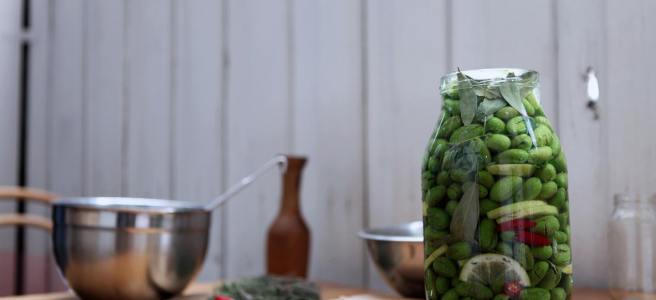
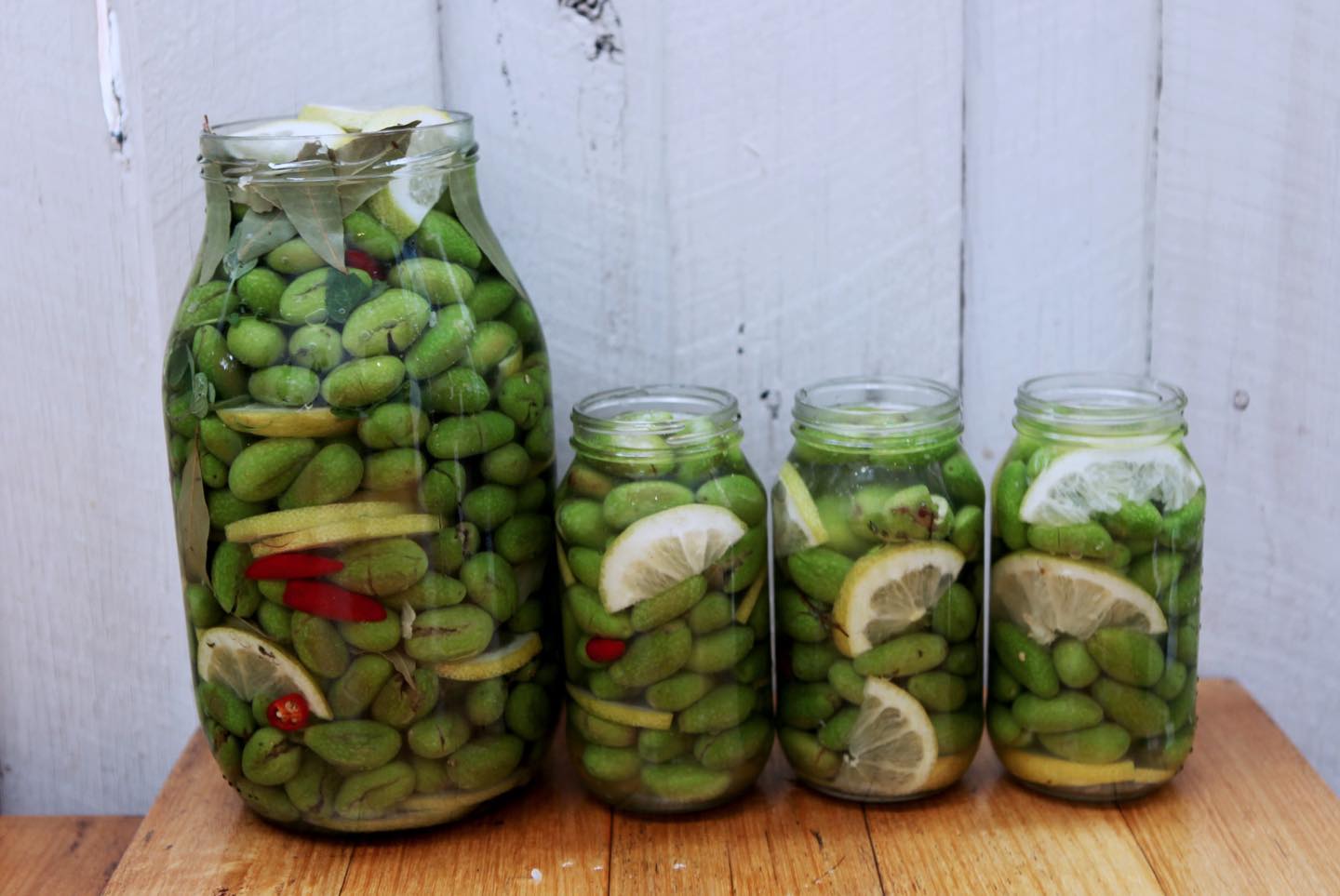
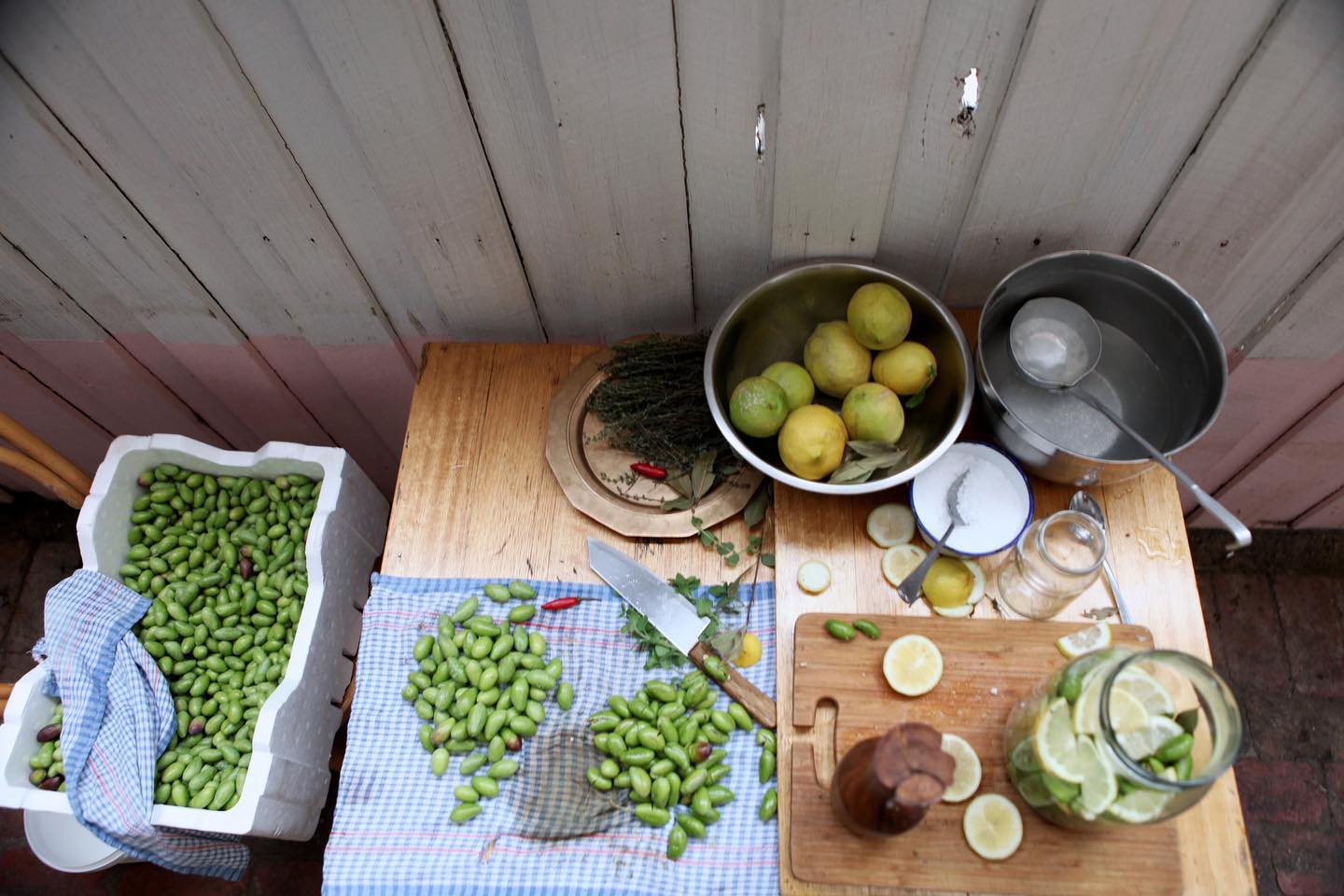
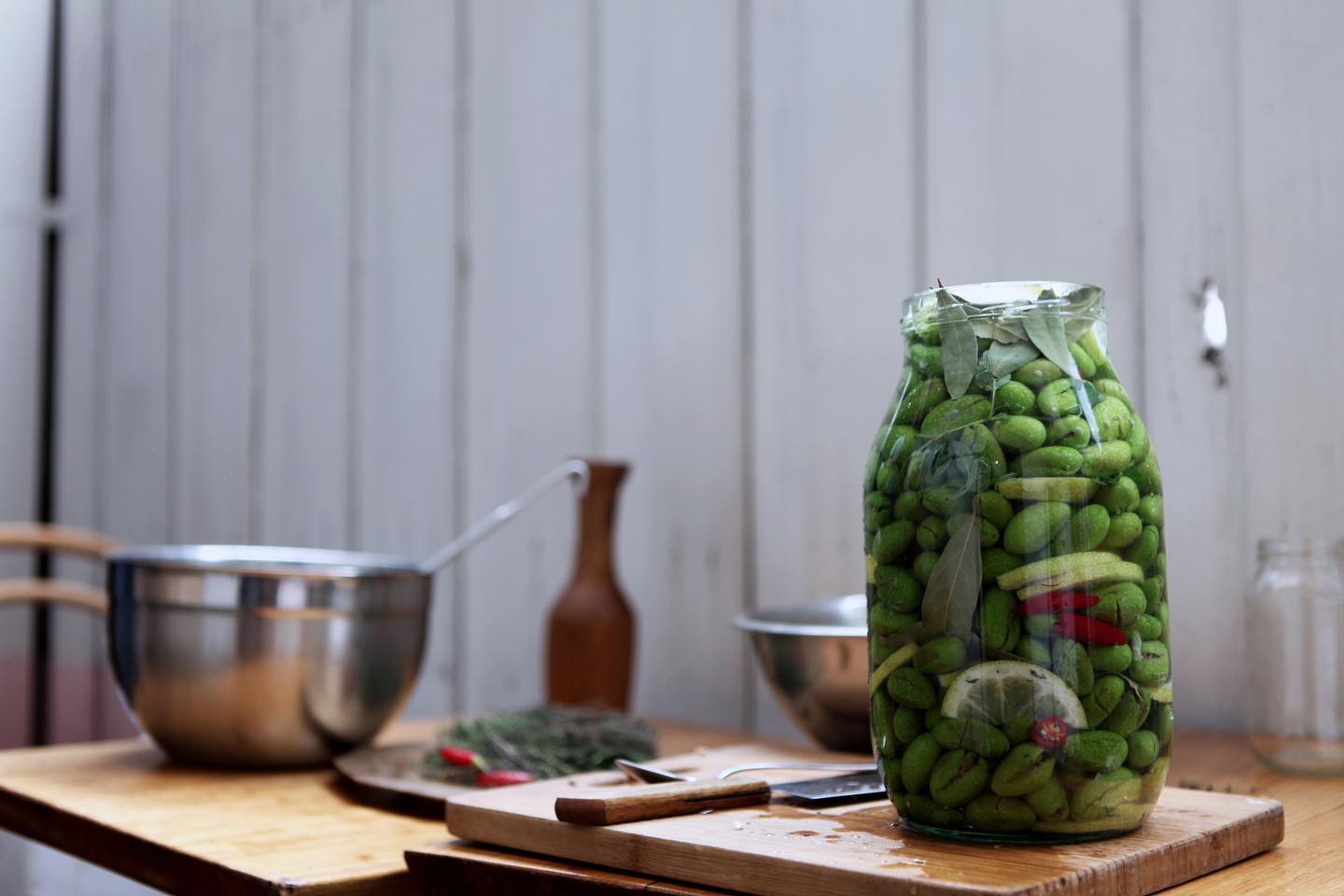
How the process of making them digestible involve crushing or slicing them a little, washing them for weeks, then placing them into jars with brine. It is only with time, the healer of all healers, that their internal bitterness extracts into the brine. Making them edible. palatable. digestible.
Bitterness sits still in the vessel. In the brine. With the olives, but outside of them. We honour this feeling of bitterness, we acknowledge its lessons and work with it just as our olives teach us to. We sit with it in our vessel, it sits around us, rather than inside us.
When people don’t make sense, plants do. I’m grateful to the olive trees for their sacred wisdom.
Join us for tea, spoken words and poems at Elvie’s Open Mic Night, tomorrow night Friday 23rd February.
I won’t be sharing words this time, will let tea speak for itself. Tea is our poetry here at Beit e’Shai.
I look forward to hearing your words and being in community with you again.
Thank you Ella for bringing together our community of poets and dreamers in another evening of reflection.
Images from Rasha Tayeh’s ‘On Food & Memory’ solo exhibition (2016).
At this link hosted by K(not) a major artistic project from Arts Gen, that discusses the impacts of ecological justice and climate colonisation on diasporic and first nations communities, I share a non-linear essay and an experimental soundscape of field recordings (best listened to on headphones). The work was commissioned and published in 2022.
The k(not) project reflects upon the way climate change will and has already created major public health impacts for our communities and provides a platform to undertake slowed-down and more expansive thinking in order to seek alternative strategies to our current crisis that incorporates food and land sovereignty alongside greater reflection upon the ongoing racialised violence that is inherent within climate colonisation itself.
To access the work visit this link. For a description, see below:
Rasha Tayeh, 2022
Land, 1000 words. In this non-linear essay, Rasha Tayeh shares an intimate reflection from her lived experience and draws on the parallels of settler-colonial projects, occupying Palestine and Aboriginal Nations in the continent now known as Australia. Her words are presented in vignettes, as thoughts brewing, while making a cup of tea, or walking along the Merri Creek.
Water, 3:42 mins, experimental soundscape of field recordings of making a cup of tea merged with ambient sounds of the Merri Creek on Wurundjeri Country.
Rasha Tayeh acknowledges the Traditional Owners of the land on which she currently lives, works and creates, Narrm; the Wurundjeri Woi Wurrung and neighbouring Boonwurrung Peoples of the Kulin Nation.




 Rasha Tayeh
You must be logged in to post a comment.